Is your student a good houseguest?
Posted by Pamela Williams
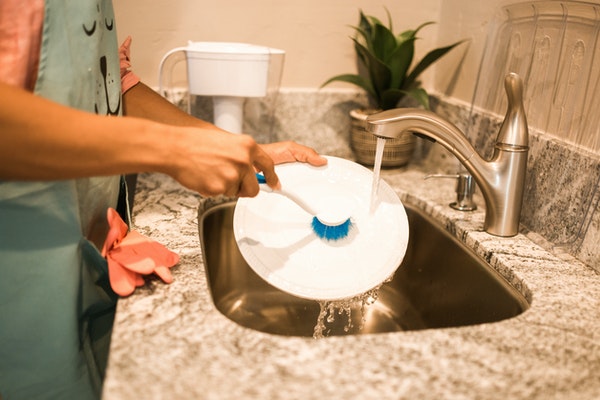
Photo by Rodnae Productions, Pexels.
The college years are often the first time a student travels alone and spends time at another family’s home. Breaks and weekends are frequently opportunities when college friends offer up their home for a visit by a fellow student who lives a far distance from their own family. This is the perfect opening for parents to help nurture their child to become a good houseguest, one who will leave their hosts smiling with affection upon departure and not sighing with relief that they have exited the premises for good.
Here are some helpful houseguest tips to discuss with your student.
1. Arrive with a small gift.
Every host loves a guest who enters their home with a small token of appreciation. It certainly doesn’t have to be anything fancy or expensive coming from a student. What is required is a little bit of pre-planning. Your student should be asking their friend what type of gifts the hosts enjoy. Some nice candies, a small plant, or some flowers are usually a safe bet, but asking specifics beforehand will avoid an awkward situation such as bringing flowers or food to someone who is allergic to them.
2. Keep your stuff to yourself.
Everyone’s home is their primary territory – the place where they feel the most ownership and sense of control. When a stranger is invited into that safe and controlled place, it can create some stress for the regular occupants. The less disruption to that normalcy, the better. Guests should try to keep all their belongings in one spot, and not leave items scattered about the home. Plus, it makes packing up faster as well!
3. Offer to help. And keep offering to help each day.
Younger guests tend not to be as mindful of all the extra work that even just one additional person can create in a house. More food to cook, more dishes and towels to wash, and with teenagers, usually way more snack crumbs to clean up. Talk to your kids about the magic of the phrase, “What can I do to help you?” They can offer to help prepare meals, to rinse and load dishes into the dishwasher, to take out the trash, to wipe down the countertops and table, or to walk the family dog. There is always some chore to be done.
4. Respect the host family’s privacy.
While the teenager who lives in the house may not think it’s a big deal if their friend wanders all over, the other family members, especially if they are introverts, may have high privacy needs. Remind your student that it’s not OK to go into any rooms where they haven’t been invited, nor to eat or drink anything without first asking if it’s alright with the host. One surefire way to ruin a meal is to prematurely eat the special dessert that someone spent hours baking.
5. Obey the house rules.
Teach your teen how to “read the room”, particularly when they are staying at a home where they’ve never met the family before. If no one else is putting their feet up on the furniture, they shouldn’t either. Same goes for things like eating outside of the kitchen, feeding the dog Doritos, using “salty” language, watching loud movies until three in the morning or taking a 25-minute shower. When in doubt, guests need to politely ask what’s the norm.
6. If you break or damage anything, speak up.
An honest and contrite guest is treated with grace when an accident occurs. A visitor who cracks the glass coffee table and never says a word is one who will most likely not be invited back for coffee, or any other beverage, any time soon. Your teen should offer to replace or pay for anything that they break.
7. Leave the home without a trace.
Hopefully your student knows how to exit with style. That means packing up all their belongings, so that their host doesn’t end up having to mail them back their phone charger or a heavy textbook. They should be stripping the sheets off the bed they slept in, deflating the air mattress if one was used, and neatly folding up any blankets.
All of their used sheets and towels should be brought to the host’s laundry room or put into a dirty laundry container. All plates, cups, utensils, and beverage containers should be returned to the kitchen. Wiping down bathroom sinks, mirrors, and countertops with a cleaning wipe will certainly earn a visitor the good houseguest seal of approval.
8. Send an old-school “Thank You” note.
Of course, verbal thanks when a visitor is leaving is a must, but also remind your student that a stay at someone’s house deserves a formal expression of thanks, and a text just doesn’t cut it. They should either leave a handwritten thank you note at the home right before they depart, or mail one within a week of returning to school. A host always appreciates this gesture of gratitude.
The late teen and young adult years are often ripe with travel opportunities and having options to stay at friends’ homes makes that so much more affordable. Helping your student become a mindful and model houseguest is a task that will carry them – literally and figuratively – far in life.
Source
Author of Article: Marybeth Bock. Article adapted from grownandflown.com. Please Note: Missouri S&T does not endorse or have a relationship with SOURCE and articles are provided for information purposes only. Missouri S&T and SOURCE do not assume responsibility for error or omission in materials.
Parent & Family Relations
Norwood 107• 320 W. 12 Street / parents@mst.edu
Phone: 573-341-4209 • Website: http://parents.mst.edu/
